

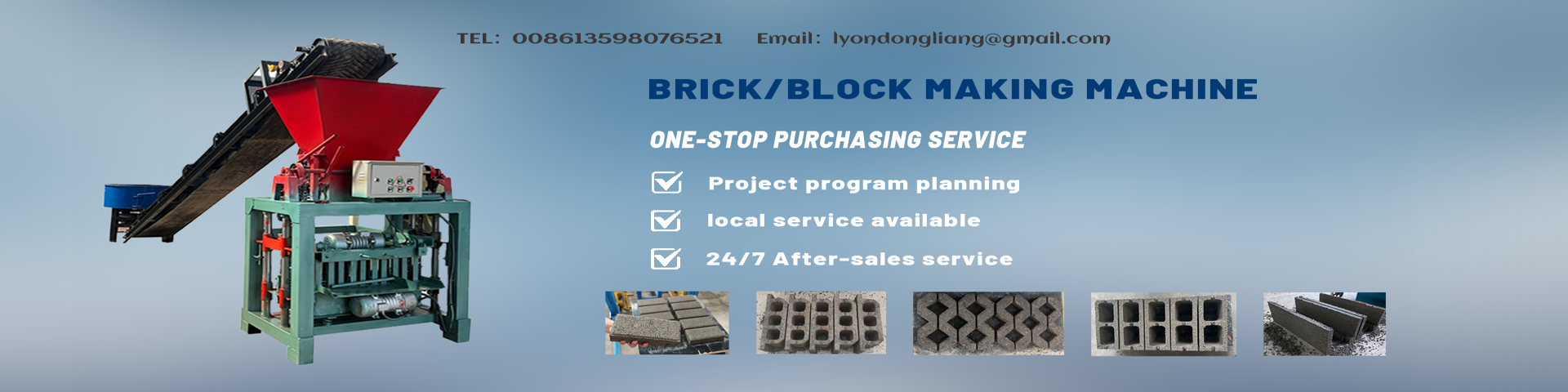
В современном мире, где урбанизация продолжает расти быстрыми темпами, города сталкиваются с беспрецедентными вызовами, связанными с изменением климата, загрязнением окружающей среды и ухудшением качества жизни. В этом контексте экологическая травяная брусчатка emerges как инновационное решение, способное трансформировать городские ландшафты и способствовать устойчивому развитию. Эта статья аргументирует, почему экологическая травяная брусчатка должна быть принята в качестве стандарта для городского планирования, подчеркивая ее многочисленные преимущества и потенциальное влияние на будущее наших городов.
Введение в экологическую травяную брусчатку
Экологическая травяная брусчатка представляет собой тип мощения, который сочетает в себе прочность традиционной брусчатки с экологическими преимуществами зеленых насаждений. Она состоит из перфорированных блоков, обычно изготовленных из переработанных материалов, таких как резина или пластик, которые заполняются почвой и засеиваются травой или другими низкорослыми растениями. Эта конструкция позволяет воде просачиваться в землю, уменьшая сток и способствуя пополнению грунтовых вод, в то время как растительность поглощает углекислый газ и производит кислород, улучшая качество воздуха.
История травяной брусчатки восходит к древним временам, когда люди использовали природные материалы для создания дорожек и площадей. Однако современная экологическая версия была разработана в ответ на растущие экологические проблемы XX и XXI веков. С развитием технологий и материалов, она стала более доступной и эффективной, что делает ее идеальным кандидатом для широкомасштабного внедрения в городах по всему миру.
По сравнению с традиционными материалами для мощения, такими как асфальт или бетон, экологическая травяная брусчатка offers уникальные преимущества. Например, асфальт способствует эффекту городского теплового острова, поглощая и удерживая тепло, что приводит к повышению температур в городах. В contrast, травяная брусчатка имеет более высокое альбедо (отражательная способность) и обеспечивает естественное охлаждение через транспирацию растений, что помогает mitigate этот эффект.
Экологические преимущества экологической травяной брусчатки
Снижение эффекта городского теплового острова
Одним из наиболее значительных экологических преимуществ экологической травяной брусчатки является ее способность снижать эффект городского теплового острова. Городские тепловые острова возникают, когда города поглощают и re-radiate солнечное тепло из-за обширных непроницаемых поверхностей, таких как асфальт и бетон. Это приводит к повышению температур на 1-3°C по сравнению с окружающими сельскими районами, что увеличивает энергопотребление для кондиционирования воздуха и exacerbates heat-related заболевания.
Экологическая травяная брусчатка, с ее растительным покровом, имеет более высокое альбедо и способствует evaporative cooling. Исследования показали, что зеленые поверхности могут снижать температуру поверхности на up to 10°C по сравнению с традиционными материалами. Например, в cities like Berlin и Copenhagen, внедрение зеленых инфраструктур, включая травяную брусчатку, привело к measurable reductions в urban temperatures. Это not only улучшает комфорт жителей, но и reduces energy demand для охлаждения, что в turn снижает выбросы парниковых газов от power plants.
Кроме того, растительность на травяной брусчатке поглощает углекислый газ через фотосинтез, contributing к смягчению изменения климата. Хотя индивидуальный вклад may be small, cumulative effect при широкомасштабном внедрении может быть significant. Например, если 10% городских поверхностей будут заменены на травяную брусчатку, это could lead to annual carbon sequestration эквивалентно удалению thousands of cars from the road.
Улучшение управления ливневыми стоками
Другим ключевым экологическим преимуществом является улучшение управления ливневыми стоками. Традиционные непроницаемые поверхности, такие как асфальт, prevent water from infiltrating into the ground, leading to increased runoff during rain events. This runoff often carries pollutants like oil, heavy metals, and debris into waterways, causing water pollution and erosion. In contrast, экологическая травяная брусчатка is permeable, allowing water to seep through the soil, which filters out pollutants and recharges groundwater aquifers.
This permeability helps reduce the risk of flooding in urban areas. Cities are increasingly facing challenges from extreme weather events due to climate change, and effective stormwater management is crucial. By incorporating травяная брусчатка into urban design, cities can create sponge cities that absorb and retain water, reducing the burden on drainage systems. For instance, in projects like the Sponge City Initiative in China, permeable pavements have been used to mitigate flood risks, with successful outcomes in cities like Wuhan and Shanghai.
Moreover, the filtration provided by the soil and plants in травяная брусчатка improves water quality. Studies have shown that permeable pavements can remove up to 80% of suspended solids and 60% of heavy metals from runoff water. This not only protects aquatic ecosystems but also reduces the cost of water treatment for municipal authorities.
Содействие биоразнообразию
Экологическая травяная брусчатка also promotes biodiversity in urban environments. Urban areas are often biodiversity deserts due to habitat loss and fragmentation. However, the vegetation on травяная брусчатка provides microhabitats for insects, birds, and other small animals, creating green corridors that connect larger green spaces like parks. This enhances urban ecology and supports ecosystem services such as pollination and pest control.
For example, in European cities like Amsterdam and Stockholm, the integration of green infrastructures has led to increases in urban biodiversity, with more species of plants and animals thriving in city centers. This not only benefits the environment but also improves the well-being of residents by providing opportunities for nature interaction and education.
Additionally, the use of native plants in травяная брусчатка can further enhance biodiversity by supporting local ecosystems. Native plants are adapted to the local climate and soil conditions, requiring less maintenance and providing better habitat for wildlife. This approach aligns with principles of sustainable landscaping and conservation.
Экономические преимущества экологической травяной брусчатки
Снижение затрат на инфраструктуру
С экономической точки зрения, экологическая травяная брусчатка offers significant cost savings over the long term. While the initial installation cost may be higher than traditional paving materials—typically 10-20% more—the lifecycle costs are lower due to reduced maintenance and infrastructure expenses. For instance, traditional pavements require regular repairs, resurfacing, and replacement, which can be costly. In contrast, травяная брусчатка is durable and requires minimal maintenance, such as occasional mowing and weeding, which is less expensive than asphalt repairs.
Moreover, by reducing stormwater runoff, травяная брусчатка decreases the need for extensive drainage systems and water treatment facilities. Cities spend billions on stormwater management; for example, in the United States, the EPA estimates that stormwater infrastructure costs exceed $100 billion annually. By implementing permeable surfaces like травяная брусчатка, municipalities can save on these costs. A study by the American Society of Civil Engineers found that cities using permeable pavements could reduce stormwater management costs by up to 30%.
Additionally, the energy savings from reduced urban heat island effects translate into lower electricity bills for cooling buildings. In hot climates, this can lead to substantial savings for both residents and businesses. For example, in Phoenix, Arizona, simulations have shown that increasing green surfaces could reduce cooling energy demand by 5-10%, saving millions of dollars annually.
Повышение стоимости недвижимости и привлекательности
Еще одним экономическим преимуществом является повышение стоимости недвижимости и общей привлекательности города. Зеленые пространства и экологические функции highly valued by residents and investors. Properties located near green infrastructures often have higher market values due to improved aesthetics, better air quality, and enhanced quality of life. Studies have shown that green spaces can increase property values by 5-15%.
For cities, this means increased tax revenues and economic development. Attractive, sustainable cities draw tourists, businesses, and skilled workers, boosting the local economy. For instance, cities like Vancouver and Portland have leveraged their green credentials to become hubs for innovation and tourism, generating significant economic benefits.
Furthermore, the implementation of травяная брусчатка can create jobs in green industries, such as landscaping, manufacturing, and maintenance. This supports local economies and promotes sustainable employment opportunities.
Социальные преимущества экологической травяной брусчатки
Улучшение здоровья и благополучия
Социальные преимущества экологической травяной брусчатки profound, particularly in terms of health and well-being. Urban green spaces have been linked to reduced stress, improved mental health, and increased physical activity. The presence of vegetation and natural elements in cities provides psychological benefits, such as reduced anxiety and enhanced mood. For example, access to green spaces has been associated with lower rates of depression and obesity.
Травяная брусчатка, by integrating green elements into everyday environments like sidewalks and plazas, makes nature more accessible to urban dwellers. This encourages outdoor activities like walking and cycling, which promote physical health. In cities with extensive green infrastructures, residents report higher levels of satisfaction and well-being.
Additionally, improved air quality from plants absorbing pollutants benefits respiratory health. Urban air pollution is a major health concern, causing diseases like asthma and cardiovascular problems. By reducing particulate matter and other pollutants, травяная брусчатка contributes to a healthier urban environment.
Создание инклюзивных и устойчивых сообществ
Экологическая травяная брусчатка also fosters inclusive and resilient communities. Green spaces serve as gathering places that promote social interaction and community cohesion. Parks, plazas, and green streets designed with травяная брусчатка become hubs for events, recreation, and cultural activities, bringing people together and strengthening social bonds.
Moreover, in the face of climate change, resilient infrastructure is essential. Травяная брусчатка helps cities adapt to extreme weather by reducing flood risks and cooling temperatures. This makes communities more resilient to climate impacts, protecting vulnerable populations and ensuring continuity of services.
Educational opportunities arise from these green infrastructures, as they can be used to teach citizens about sustainability and ecology. Schools and community groups can engage in maintaining and studying these spaces, fostering environmental stewardship from a young age.
Препятствия и решения для внедрения
Технические и logistical вызовы
Несмотря на многочисленные преимущества, внедрение экологической травяной брусчатки сталкивается с некоторыми препятствиями. Технические вызовы include concerns about durability and load-bearing capacity, especially in high-traffic areas. However, advances in materials science have led to the development of high-strength травяная брусчатка that can withstand heavy use, such as in parking lots and fire lanes. For example, products made from reinforced concrete or recycled plastics offer excellent durability.
Logistical challenges involve the installation process, which requires proper soil preparation and planting. This can be more complex than laying traditional pavements. However, with trained professionals and standardized protocols, these challenges can be overcome. Many cities have developed guidelines for permeable pavement installation, ensuring success.
Экономические и политические барьеры
Экономические барьеры, такие как higher initial costs, can deter municipalities from adopting травяная брусчатка. To address this, governments can offer incentives like tax breaks, grants, or subsidies for green infrastructure projects. For instance, the U.S. Environmental Protection Agency provides funding for stormwater management initiatives that include permeable pavements.
Political barriers include lack of awareness and resistance to change among policymakers. Education and advocacy are key to overcoming this. Showcasing successful case studies and demonstrating the long-term benefits can persuade decision-makers. International examples, such as the widespread use of травяная брусчатка in countries like Germany and the Netherlands, serve as powerful testimonials.
Социальное принятие и участие сообщества
Социальное принятие is crucial for the success of any new infrastructure. Some residents may be skeptical about the aesthetics or functionality of травяная брусчатка. Engaging the community through public consultations, demonstrations, and educational programs can build trust and acceptance. Involving local stakeholders in the planning process ensures that the designs meet their needs and preferences.
For example, in Melbourne, Australia, community involvement in green infrastructure projects led to high levels of satisfaction and support. By addressing concerns and highlighting benefits, cities can foster a culture of sustainability.
Будущее экологической травяной брусчатки в городском планировании
Интеграция с умными городами и технологиями
Looking ahead, экологическая травяная брусчатка has the potential to integrate with smart city technologies. For instance, sensors embedded in the pavement could monitor soil moisture, temperature, and traffic patterns, providing data for efficient maintenance and urban management. This aligns with the trend towards data-driven cities that optimize resources and improve services.
Additionally, innovations like solar-powered травяная брусчатка or combinations with renewable energy systems could further enhance sustainability. Imagine sidewalks that generate electricity from footsteps or sunlight while supporting greenery—a vision that is already being explored in prototypes.
Глобальные тенденции и стандартизация
Globally, there is a growing movement towards green urbanism. Organizations like the United Nations and the World Green Building Council advocate for sustainable infrastructure, and травяная брусчатка fits perfectly into this agenda. As more cities adopt it, standards and best practices will emerge, facilitating widespread implementation.
Countries leading in this area, such as those in Scandinavia and East Asia, provide models for others to follow. By learning from their experiences, cities worldwide can accelerate the transition to greener urban environments.
Заключение
В заключение, экологическая травяная брусчатка представляет собой многофункциональное решение для urban challenges, offering environmental, economic, and social benefits that make it an ideal candidate for becoming a urban standard. Its ability to reduce heat islands, manage stormwater, promote biodiversity, save costs, enhance well-being, and build resilient communities underscores its importance. While challenges exist, they are surmountable with innovation, policy support, and community engagement.
Города будущего must prioritize sustainability, and adopting травяная брусчатка as a standard is a tangible step towards that goal. By doing so, we can create urban environments that are not only functional and beautiful but also in harmony with nature, ensuring a healthier and more prosperous future for all.
Давайте embrace this change and work together to make ecological травяная брусчатка a cornerstone of urban planning worldwide.
