

В мире, где технологии стремительно развиваются, а население растет с каждым днем, строительная индустрия стоит перед вызовом: как создать здания, которые не только выдерживают испытание временем, но и способствуют устойчивому будущему? Ответ может быть простым, но profound: начинать с основ. И одна из самых fundamental основ — это кирпич. Да, тот самый скромный кирпич, который человечество использует тысячелетиями, остается краеугольным камнем прочного строительства. В этой статье мы глубоко погрузимся в мир надежных кирпичей, исследуя их историю, современные технологии, экологические преимущества и то, как они помогают строить будущее, которое будет крепким, безопасным и устойчивым.
Строительство — это не просто возведение стен и крыш; это создание наследия. Каждое здание рассказывает историю — о культуре, о прогрессе, о людях, которые в нем живут или работают. И если эта история должна длиться веками, то материалы, из которых построено здание, должны быть исключительными. Кирпич, с его проверенной временем прочностью и универсальностью, идеально подходит для этой роли. Но что делает кирпич надежным? Как современные инновации усиливают его свойства? И почему он так важен для будущего строительства? Давайте unravel эту тему шаг за шагом.
История кирпича: от древности к современности
Кирпич имеет богатую историю, уходящую корнями в глубокую древность. Первые кирпичи, сделанные из глины и высушенные на солнце, использовались в Месопотамии около 7000 года до нашей эры. Эти примитивные материалы laid the foundation для архитектурных чудес, таких как зиккураты и древние города. С развитием технологий обжига кирпич стал прочнее и долговечнее, что позволило строить величественные сооружения, like the Roman aqueducts and the Great Wall of China. В средние века кирпич стал популярен в Европе, особенно в регионах с limited stone resources, и использовался для строительства замков, церквей и городских стен.
В индустриальную эру производство кирпича mechanized, что сделало его более доступным и стандартизированным. Это привело к массовому urban development, с кирпичными зданиями, defining the skylines of cities like London and New York. Сегодня кирпич продолжает evolve, с advancements в материалах и manufacturing processes, ensuring that it remains relevant in the modern construction landscape. His journey from sun-dried mud to high-tech composite materials is a testament to human ingenuity and the endless pursuit of improvement.
Технологии производства: как создаются надежные кирпичи
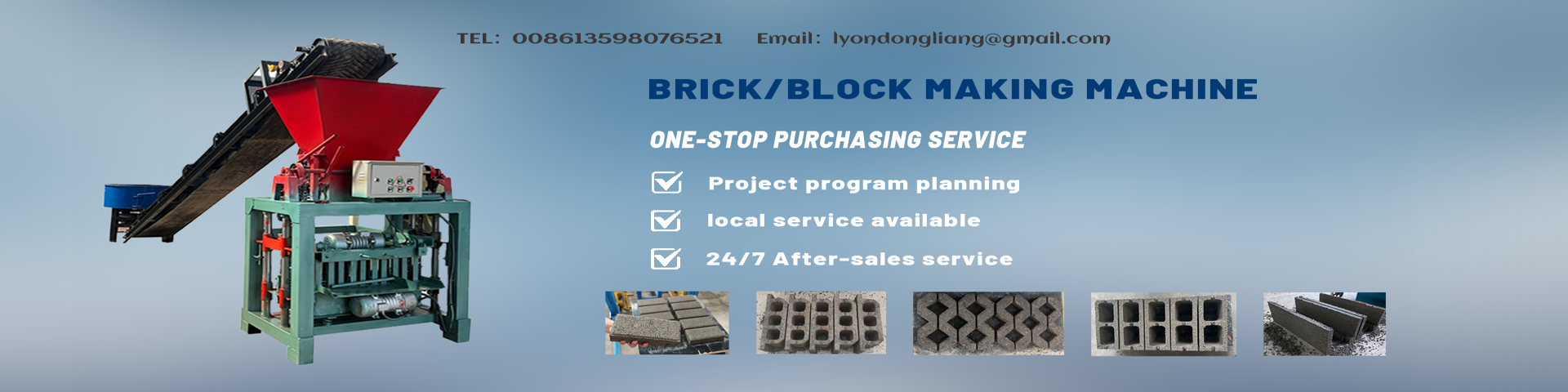
Современное производство кирпича — это sophisticated process, сочетающий традиционные методы с cutting-edge technology. Основные этапы включают добычу сырья (глины, сланца или других материалов), подготовку смеси, формование, сушку и обжиг. Однако innovations, such as automated machinery and computer-controlled kilns, have greatly enhanced the quality and consistency of bricks. For example, extrusion techniques allow for precise shaping, while high-temperature firing (up to 1200°C) ensures superior strength and durability.
Кроме того, появились новые types of bricks, like engineering bricks, which have high compressive strength and low water absorption, making them ideal for load-bearing structures and harsh environments. There are also lightweight bricks made from aerated concrete, which offer excellent insulation properties. The use of recycled materials in brick production is another trend, reducing environmental impact and promoting sustainability. These advancements mean that today's bricks are not only strong but also tailored to specific needs, from earthquake resistance to energy efficiency.
Прочность и долговечность: почему кирпич выдерживает испытание временем
Одним из key advantages кирпича является его exceptional strength and durability. Кирпичные стены can withstand immense loads, resist fire, and endure extreme weather conditions. This is due to the material's inherent properties: high compressive strength, low thermal expansion, and resistance to moisture and decay. Historical examples abound, such as the centuries-old brick buildings in Europe that still stand tall today, a proof to their longevity.
Современные testing methods, like compression tests and accelerated aging simulations, confirm that well-made bricks can last for hundreds of years with minimal maintenance. This makes them a cost-effective choice in the long run, as they reduce the need for frequent repairs or replacements. Moreover, bricks' ability to regulate humidity and temperature contributes to healthier indoor environments, preventing issues like mold and improving comfort. In seismic zones, reinforced brick masonry can provide adequate earthquake resistance, though it requires careful design and construction.
Экологические преимущества: устойчивое строительство с кирпичом
В эпоху climate change and resource depletion, sustainability is paramount in construction. Кирпич offers several environmental benefits. First, it is made from abundant natural materials like clay and shale, which are renewable to some extent. The production process, while energy-intensive, has become more efficient with modern kilns that recover heat and reduce emissions. Additionally, bricks are highly durable, which means less waste over time compared to shorter-lived materials.
Bricks also contribute to energy efficiency in buildings. Their thermal mass helps regulate indoor temperatures, reducing the need for heating and cooling, which lowers energy consumption and carbon footprint. At the end of their life, bricks can be recycled or crushed for use as aggregate in new construction, minimizing landfill waste. Some manufacturers are even developing carbon-negative bricks that absorb CO2 during production. These factors make brick a green choice for eco-conscious builders and align with global sustainability goals like the UN's Sustainable Development Goals.
Инновации и будущее: кирпич в современной архитектуре
Кирпич is not stuck in the past; it is embracing the future with exciting innovations. Smart bricks embedded with sensors can monitor structural health, detecting cracks or stresses in real-time. 3D printing technology allows for the creation of complex, customized brick structures that were previously impossible. There are also developments in self-healing bricks that repair minor damages automatically, using bacteria or polymers.
In architecture, bricks are being used in innovative ways, from facades with intricate patterns to load-bearing walls in high-rise buildings. The blend of traditional aesthetics with modern functionality makes brick a favorite among designers who value both form and function. As urban populations grow, the demand for resilient and sustainable housing will increase, and brick is poised to play a crucial role. Future trends may include greater integration with renewable energy systems, such as bricks with built-in solar cells, further enhancing their utility.
Практические советы: как выбрать и использовать надежные кирпичи
For builders and homeowners, selecting the right brick is essential. Consider factors like compressive strength (measured in N/mm²), water absorption rate, and frost resistance. Higher strength bricks are better for structural applications, while lower absorption bricks are suitable for damp environments. It's also important to choose bricks that meet local building codes and standards.
Proper installation is key to maximizing durability. Use quality mortar and ensure even bedding to prevent weak points. Regular maintenance, such as repointing mortar joints, can extend the life of brickwork. In regions prone to earthquakes, incorporate reinforcement like steel bars. Additionally, think about the aesthetic aspect—bricks come in various colors, textures, and sizes, allowing for creative designs that enhance curb appeal.
Заключение: строим будущее на прочном фундаменте
В заключение, надежные кирпичи — это больше, чем просто строительный материал; они символизируют прочность, устойчивость и наследие. От древних цивилизаций до современных мегаполисов, кирпич доказал свою ценность time and again. С advancements в technology и growing emphasis on sustainability, кирпич将继续 evolution, offering even greater benefits for future construction.
By choosing high-quality bricks and employing best practices in construction, we can create buildings that not only stand the test of time but also contribute to a healthier planet. The future of construction is bright, and with reliable bricks as a foundation, we can build a world that is strong, safe, and sustainable for generations to come. So, let's embrace this timeless material and use it to shape a better tomorrow.
Спасибо за чтение! Если у вас есть вопросы или вы хотите поделиться своим опытом, оставьте комментарий ниже.
