

В современном мире, где урбанизация продолжает стремительно развиваться, города сталкиваются с множеством вызовов, одним из которых является управление ливневыми водами. Лужи на дорогах – не просто неудобство для пешеходов и водителей; они могут привести к серьезным проблемам, таким как эрозия почвы, загрязнение водоемов и даже увеличение риска дорожно-транспортных происшествий. Традиционные методы, например, асфальтирование или использование непроницаемых материалов, часто усугубляют ситуацию, создавая поверхностный сток, который перегружает дренажные системы. Однако существует инновационное решение, которое не только решает эту проблему, но и способствует устойчивому развитию: проницаемые кирпичи. В этой статье мы подробно рассмотрим, как эти материалы могут изменить подход к городскому планированию, их преимущества, принципы работы, и почему они становятся все более популярными в России и worldwide.
Проблема луж: больше, чем просто неудобство
Лужи на дорогах возникают из-за сочетания факторов: интенсивных осадков, непроницаемых поверхностей и неадекватных дренажных систем. В городских условиях, где большая часть земли покрыта асфальтом, бетоном или другими твердыми материалами, вода не может естественным образом infiltrate into the soil. Instead, it accumulates on the surface, forming puddles that can persist for hours or even days. This not only creates hazards for pedestrians, who might slip and fall, but also for drivers, as reduced visibility and hydroplaning can lead to accidents. Moreover, stagnant water becomes a breeding ground for mosquitoes and other pests, posing health risks. From an environmental perspective, surface runoff carries pollutants like oil, heavy metals, and debris into local waterways, contributing to water pollution. Economically, the costs associated with damage to infrastructure, increased maintenance, and potential lawsuits can be substantial. Thus, addressing puddle formation is not merely a matter of convenience but a critical aspect of urban resilience and sustainability.
Что такое проницаемые кирпичи и как они работают?
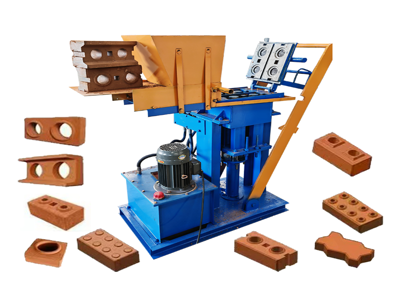
Проницаемые кирпичи, также известные как водопроницаемые или дренажные кирпичи, представляют собой строительные материалы designed to allow water to pass through them. Unlike traditional bricks or pavers, which are solid and impermeable, permeable bricks have a porous structure that enables infiltration. They are typically made from materials like concrete, clay, or recycled aggregates, with voids or gaps that facilitate water flow. The principle behind their operation is simple: when rain falls on a surface laid with permeable bricks, the water seeps through the gaps into a underlying layer of gravel or sand, which acts as a reservoir. From there, it slowly percolates into the soil or is directed to drainage systems, preventing surface accumulation. This process mimics natural hydrological cycles, reducing runoff and promoting groundwater recharge. The design often includes joints filled with permeable materials like sand, enhancing the overall efficiency. Additionally, these bricks can be engineered to filter pollutants, improving water quality before it enters the aquifer. This makes them an integral part of sustainable urban drainage systems (SUDS) or low-impact development (LID) strategies, which aim to manage stormwater at its source rather than conveying it away.
Преимущества проницаемых кирпичей
Использование проницаемых кирпичей offers numerous benefits across environmental, economic, and social dimensions. Environmentally, they significantly reduce surface runoff, which helps mitigate flooding and erosion. By allowing water to infiltrate, they decrease the load on storm sewers, reducing the risk of overflows during heavy rains. This also means less pollution entering rivers and lakes, as the filtering action of the permeable layers traps sediments and contaminants. Furthermore, permeable surfaces contribute to groundwater replenishment, which is crucial in areas facing water scarcity. Economically, while the initial cost of permeable bricks might be higher than traditional materials, the long-term savings are substantial. Reduced need for extensive drainage infrastructure, lower maintenance costs for road surfaces, and decreased damage from water-related issues can lead to overall cost efficiency. In some regions, governments offer incentives or rebates for using sustainable materials, making them even more attractive. Socially, these bricks improve safety by eliminating puddles, making walkways and roads safer for everyone. They also enhance the aesthetic appeal of urban areas, as they can be designed in various colors and patterns, integrating functionality with beauty. Moreover, by promoting green infrastructure, they support community well-being and align with global sustainability goals, such as those outlined in the Paris Agreement or local environmental policies.
Применение в городском планировании и примеры из практики
Проницаемые кирпичи can be used in a wide range of applications, from pedestrian walkways and parking lots to roads and public squares. In urban planning, they are often incorporated into green streets projects, where the goal is to create multifunctional spaces that manage stormwater, reduce heat island effects, and improve livability. For instance, in cities like Moscow or St. Petersburg, there have been pilot projects using permeable pavements in parks and residential areas to combat flooding issues. Internationally, countries like the Netherlands and Germany have long embraced such technologies, with successful implementations in urban centers. A notable example is the use of permeable bricks in the redesign of Times Square in New York City, which transformed a car-dominated area into a pedestrian-friendly zone with improved water management. In Russia, as climate change leads to more extreme weather events, adopting permeable materials could be a key strategy for adapting infrastructure. Case studies show that areas with permeable surfaces experience up to 50% reduction in runoff volume, demonstrating their effectiveness. When integrated with other sustainable practices, such as rain gardens or green roofs, the impact is even greater, creating resilient urban ecosystems that can withstand future challenges.
Вызовы и соображения при внедрении
Несмотря на преимущества, внедрение проницаемых кирпичей faces certain challenges. One of the main concerns is clogging; over time, sediments and debris can accumulate in the pores, reducing permeability. Regular maintenance, such as vacuum sweeping or pressure washing, is necessary to keep them functional. Additionally, in cold climates like Russia, freeze-thaw cycles can cause damage if water trapped in the bricks freezes and expands. However, modern designs address this with materials that are frost-resistant and by ensuring proper installation with adequate base layers. Cost is another factor; permeable bricks tend to be more expensive upfront due to specialized manufacturing and installation requirements. Yet, life-cycle cost analyses often show that the savings in drainage infrastructure and maintenance outweigh the initial investment. There is also a need for education and awareness among planners, contractors, and the public to overcome resistance to change. Building codes and standards may need updates to encourage or mandate the use of permeable materials. In Russia, where traditional construction methods prevail, gradual adoption through pilot projects and government support could facilitate wider use. Collaboration between municipalities, developers, and environmental agencies is essential to create frameworks that promote sustainable practices.
Будущее проницаемых кирпичей и устойчивое развитие
Looking ahead, the future of permeable bricks is promising, driven by increasing awareness of climate change and the need for resilient infrastructure. Innovations in materials science are leading to more durable and efficient products, such as bricks made from recycled plastics or with enhanced filtering capabilities. Smart city initiatives could integrate sensors into permeable surfaces to monitor water flow and quality in real-time, enabling proactive management. In Russia, as part of national strategies for environmental protection and urban development, permeable materials could play a pivotal role. For example, the " Ecology National Project" aims to improve water quality and reduce pollution, aligning perfectly with the benefits of permeable bricks. By adopting these solutions, cities can not only eliminate puddles but also contribute to broader goals like carbon neutrality and biodiversity conservation. Education and research will be key; universities and institutions should conduct studies on local applicability and performance. Ultimately, shifting to permeable surfaces is not just about fixing a nuisance—it's about building cities that are sustainable, safe, and adaptable for generations to come. As consumers and policymakers demand greener options, the market for permeable bricks is expected to grow, making them a standard in modern construction.
Заключение: действуйте сейчас для лучшего будущего
В заключение, проницаемые кирпичи представляют собой эффективное и sustainable решение проблемы луж на дорогах. Они предлагают многочисленные преимущества, включая reduced runoff, improved water quality, economic savings, and enhanced safety. While challenges exist, they are manageable with proper design, maintenance, and supportive policies. For Russian cities grappling with urbanization and climate impacts, investing in permeable infrastructure is a wise choice that aligns with global sustainability trends. We urge urban planners, developers, and government bodies to consider incorporating permeable bricks into their projects. Start with small-scale implementations, learn from best practices, and scale up to create resilient urban environments. Together, we can transform our cities into places where puddles are a thing of the past, and sustainability is at the forefront. Take action today—explore permeable options for your next construction project and contribute to a drier, safer, and greener future.
