

В современном строительстве все больше внимания уделяется эффективности, экономии ресурсов и экологичности. Одним из ключевых материалов, отвечающих этим требованиям, являются полые блоки. Они не только позволяют существенно сэкономить на материалах, но и снижают нагрузку на фундамент, что делает их идеальным выбором для различных строительных проектов. В этой статье мы подробно рассмотрим преимущества полых блоков, их технические характеристики, методы применения и практические примеры использования.
Что такое полые блоки?
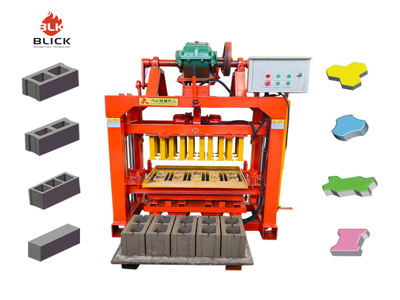
Полые блоки — это строительные элементы, изготовленные из различных материалов, таких как бетон, керамика или газобетон, с внутренними пустотами. Эти пустоты могут занимать до 50% объема блока, что значительно снижает его вес и количество используемого сырья. Блоки производятся промышленным способом и широко применяются в строительстве стен, перегородок и других конструкций.
История полых блоков начинается в начале XX века, когда строители искали способы уменьшить вес конструкций без потери прочности. Сегодня они являются стандартом во многих странах благодаря своей универсальности и эффективности. Основные типы полых блоков включают:
- Бетонные полые блоки: Наиболее распространенный тип, изготовленный из цемента, песка и воды. Обладают высокой прочностью и долговечностью.
- Керамические полые блоки: Производятся из обожженной глины, имеют отличные теплоизоляционные свойства и экологичны.
- Газобетонные полые блоки: Легкие и пористые, идеальны для энергоэффективного строительства.
Полые блоки доступны в различных размерах и формах, что позволяет адаптировать их под конкретные проектные требования. Их использование не только упрощает процесс строительства, но и сокращает сроки выполнения работ.
Экономия материалов благодаря полым блокам
Одним из главных преимуществ полых блоков является значительная экономия строительных материалов. За счет внутренних пустот объем твердого материала уменьшается, что приводит к снижению расхода сырья на производство. Это не только делает блоки более доступными по цене, но и уменьшает environmental impact, так как для их изготовления требуется меньше энергии и ресурсов.
Например, при сравнении с полнотелыми блоками, полые блоки могут сэкономить до 30-40% материала. Это особенно важно в крупных проектах, где даже небольшая экономия на единице продукции приводит к существенному снижению общих затрат. Кроме того, меньший вес блоков упрощает транспортировку и handling, further reducing logistics costs.
Экономия extends beyond the blocks themselves. Due to their lighter weight, foundations can be designed with less material, and less mortar is required for laying. This holistic approach to resource efficiency makes hollow blocks a smart choice for budget-conscious builders and environmentally aware projects.
Key Insight: Использование полых блоков может снизить общую стоимость строительства на 15-20% за счет экономии материалов и reduced labor costs.
Снижение нагрузки на фундамент
Фундамент является одной из самых critical and expensive parts of a building. The weight of the structure directly impacts the design and cost of the foundation. Hollow blocks, being lighter than their solid counterparts, significantly reduce the dead load on the foundation. This allows for the use of simpler and more economical foundation types, such as strip or slab foundations, instead of more complex and costly deep foundations.
For instance, in a typical residential building, the use of hollow blocks can reduce the load on the foundation by up to 25%. This not only saves money on foundation construction but also enhances the safety and stability of the structure, especially in areas with weak soil conditions. Reduced load means less settlement and lower risk of structural damage over time.
Moreover, in seismic zones, lighter structures are less susceptible to earthquake forces, providing an additional layer of safety. Engineers often prefer hollow blocks for their ability to combine strength with lightweight properties, making them ideal for modern construction practices that prioritize efficiency and resilience.
| Тип блока | Вес (кг/м³) | Снижение нагрузки на фундамент (%) |
|---|---|---|
| Полнотелый бетонный блок | 2400 | 0 |
| Полый бетонный блок | 1800 | 25 |
| Керамический полый блок | 1600 | 33 |
| Газобетонный полый блок | 600 | 75 |
As shown in the table, the weight reduction is substantial, directly translating to lower foundation costs and improved structural performance.
Технические характеристики полых блоков
Полые блоки обладают рядом технических характеристик, которые делают их superior choice for construction. Key parameters include compressive strength, thermal insulation, sound insulation, and fire resistance. These properties vary depending on the material and design of the blocks.
Прочность на сжатие: Despite their hollow nature, these blocks are designed to withstand significant loads. Concrete hollow blocks typically have a compressive strength of 3.5 to 7 MPa, which is sufficient for most residential and commercial buildings. Advanced manufacturing techniques ensure that the voids do not compromise structural integrity.
Теплоизоляция: The air trapped within the hollows acts as an insulator, reducing heat transfer through the walls. This results in better energy efficiency, lower heating and cooling costs, and improved comfort indoors. For example, ceramic hollow blocks can achieve U-values as low as 0.3 W/m²K, meeting strict energy standards.
Звукоизоляция: The hollow structure also dampens sound waves, providing excellent acoustic insulation. This is particularly beneficial in multi-family housing or buildings located in noisy environments.
Огнестойкость: Materials like concrete and ceramics are inherently fire-resistant. Hollow blocks can provide fire ratings of up to 4 hours, enhancing building safety.
These characteristics make hollow blocks versatile and reliable for a wide range of applications, from load-bearing walls to partitions and facades.
Экологичность и устойчивость
In today's world, sustainability is a key consideration in construction. Hollow blocks contribute positively to environmental goals by reducing material usage, energy consumption, and waste. The production process often incorporates recycled materials, such as fly ash in concrete blocks, further minimizing the ecological footprint.
Additionally, the energy efficiency of buildings constructed with hollow blocks leads to lower carbon emissions over the lifecycle of the structure. Their durability ensures long service life, reducing the need for repairs and replacements. At the end of their life, many types of hollow blocks can be recycled or crushed for use as aggregate, supporting a circular economy.
Certifications like LEED and BREEAM often favor the use of hollow blocks due to their sustainable attributes. Builders and developers choosing these materials not only benefit from cost savings but also enhance their project's green credentials.
Практические примеры и case studies
To illustrate the benefits of hollow blocks, let's look at some real-world examples. In a recent residential project in Moscow, the use of ceramic hollow blocks reduced material costs by 18% and cut construction time by 10% due to easier handling and faster laying. The foundation was designed with 20% less concrete, resulting in overall savings of approximately 15% on the project budget.
Another example is a commercial building in St. Petersburg, where gas concrete hollow blocks were used for their excellent insulation properties. This led to a 30% reduction in energy costs for heating, payback the initial investment in just two years. The lightweight nature of the blocks allowed for a simpler foundation, avoiding the need for expensive piling in the soft soil conditions.
These case studies demonstrate how hollow blocks can be tailored to specific project needs, delivering tangible benefits in terms of cost, time, and performance.
Методы применения и best practices
Proper application of hollow blocks is crucial to maximizing their advantages. Key best practices include:
- Выбор правильного типа блока: Select blocks based on the structural requirements, climate conditions, and desired insulation properties. Consult with engineers to ensure compatibility.
- Правильная кладка: Use appropriate mortar and techniques to ensure strong bonds and avoid cracks. Fill the hollows with insulation material if additional thermal performance is needed.
- Армирование: In load-bearing applications, incorporate reinforcement bars into the hollows to enhance strength and seismic resistance.
- Гидроизоляция: Apply waterproofing treatments in areas prone to moisture to prevent damage and maintain integrity.
Adhering to these practices ensures that the benefits of hollow blocks are fully realized, leading to durable and efficient structures.
Заключение
Полые блоки represent a smart and sustainable choice in modern construction. Their ability to save materials, reduce load on foundations, and provide excellent thermal and acoustic insulation makes them invaluable for builders and developers. By embracing this technology, the construction industry can achieve greater efficiency, lower costs, and a smaller environmental footprint.
Whether you are planning a residential home, a commercial building, or an industrial facility, consider incorporating hollow blocks into your design. The long-term benefits will outweigh the initial investment, contributing to a better built environment for future generations.
For more information or to discuss your specific project needs, contact our experts today. We are here to help you build smarter and greener.
