

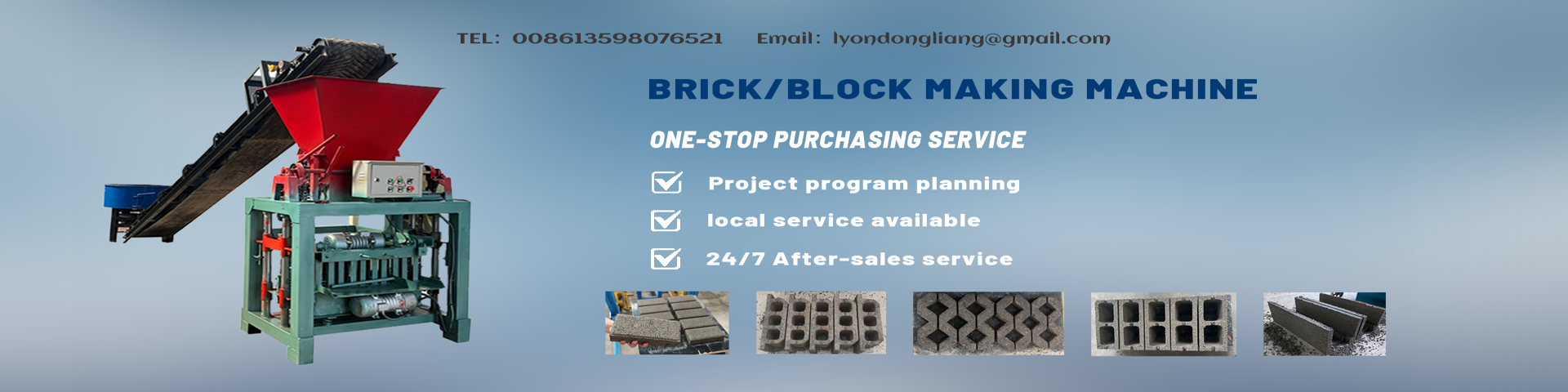

Введение в тему: Пустотелые блоки, известные своей легкостью и энергоэффективностью, становятся все более популярными в современном строительстве. Эта статья исследует инновационные методы их использования, преимущества и будущие тенденции.
1. Основные типы пустотелых блоков и их характеристики
Пустотелые блоки изготавливаются из различных материалов, включая керамику, бетон и газобетон. Их полая структура снижает вес, улучшает теплоизоляцию и позволяет экономить материалы. Например, керамические блоки обладают высокой прочностью и экологичностью, в то время как бетонные блоки часто используются для несущих стен благодаря своей долговечности.
Современные технологии производства включают автоматизированные линии, которые ensure consistent quality and reduce waste. Innovations in material science have led to blocks with enhanced thermal properties, such as incorporating insulating foams or recycled materials.
2. Преимущества пустотелых блоков в строительстве
Пустотелые блоки offer numerous benefits: reduced construction time due to their large size and ease of handling, lower transportation costs, and improved energy efficiency. Their hollow cores can be filled with insulation materials, further enhancing thermal performance. This makes them ideal for projects aiming for green building certifications like LEED or BREEAM.
Additionally, these blocks contribute to sustainability by using less raw material and often incorporating recycled content. For instance, some manufacturers use fly ash or slag in concrete blocks, reducing environmental impact.
3. Инновационные методы применения
В modern construction, пустотелые блоки are used in various innovative ways. They are integral to modular building systems, allowing for rapid assembly and disassembly. Technologies like 3D printing are being adapted to create custom-shaped blocks for complex architectural designs.
Another trend is the integration of smart technologies. For example, blocks with embedded sensors can monitor structural health or environmental conditions, providing real-time data for maintenance and energy management.
4. Сравнение с традиционными материалами
Compared to solid bricks or concrete walls, пустотелые блоки offer superior insulation and weight savings. However, they may require careful handling to avoid damage during construction. Advances in adhesive mortars and reinforcement techniques have mitigated these issues, making them a competitive choice.
Case studies show that buildings using these blocks can achieve up to 30% energy savings compared to traditional methods, highlighting their economic and environmental benefits.
5. Будущие тенденции и выводы
The future of пустотелые блоки lies in further innovation, such as developing blocks with self-healing properties or enhanced fire resistance. As global focus on sustainability grows, these materials will play a key role in reducing the carbon footprint of construction.
В заключение, современные технологии делают пустотелые блоки indispensable for efficient and eco-friendly building. Their versatility and benefits ensure they will remain a cornerstone of construction industry advancements.
