

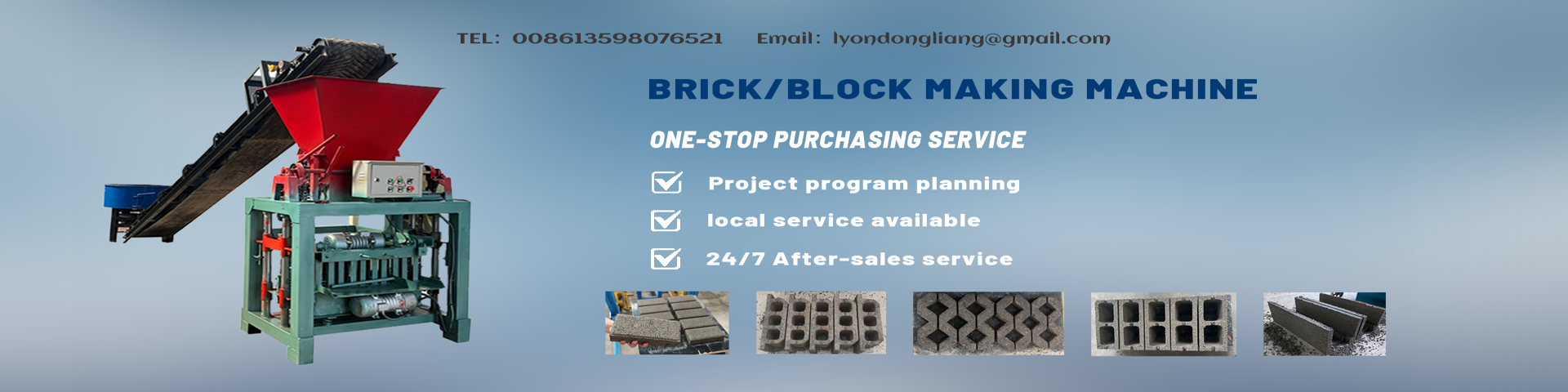

В современном мире строительства выбор материалов играет ключевую роль в обеспечении долговечности, безопасности и эстетики зданий. Среди множества вариантов кирпич остается одним из самых надежных и проверенных временем решений. В этой статье мы подробно рассмотрим преимущества прочных кирпичей, которые делают их идеальным выбором для долговечного строительства. От исторической перспективы до современных технологий, мы охватим все аспекты, чтобы помочь вам принять informed решение для вашего следующего проекта.
1. Введение в мир кирпичного строительства
Кирпич — это не просто строительный материал; это символ прочности и стабильности, используемый человечеством на протяжении тысячелетий. Первые упоминания о кирпичах датируются древними цивилизациями, такими как Месопотамия и Египет, где они изготавливались из глины и обжигались на солнце или в печах. Со временем технологии эволюционировали, и сегодня мы имеем доступ к высокопрочным кирпичам, произведенным с использованием современных методов, что обеспечивает unparalleled долговечность и надежность.
В России кирпичное строительство имеет богатую историю, начиная с древних времен, когда кирпичи использовались для возведения крепостей и церквей. Сегодня, с развитием промышленности, кирпич стал более доступным и versatile, предлагая широкий спектр applications от жилых домов до коммерческих зданий. Его популярность обусловлена не только традициями, но и объективными преимуществами, которые мы рассмотрим в этой статье.
Выбор кирпича для строительства — это инвестиция в будущее. В отличие от временных материалов, кирпичные конструкции могут служить веками, как демонстрируют исторические памятники по всему миру. Например, Красная площадь в Москве или древние храмы в Суздале — все они построены из кирпича и до сих пор стоят как testament to их прочности. Это делает кирпич не только practical, но и symbolic выбором для тех, кто ценит наследие и устойчивость.
2. Долговечность: почему кирпич выдерживает испытание временем
Одним из главных преимуществ прочных кирпичей является их exceptional долговечность. Кирпич — это материал, который практически не подвержен degradation под воздействием времени и окружающей среды. Благодаря своей плотной структуре и способности withstand extreme weather conditions, кирпичные стены могут простоять сотни лет без значительного износа. Это особенно важно в регионах с harsh климатом, таких как Россия, где перепады температур, влажность и морозы могут быстро разрушить менее прочные материалы.
Научные исследования подтверждают, что кирпич имеет высокую resistance к fire, water, and pests. Например, при пожарах кирпичные здания often survive intact, в то время как деревянные или synthetic материалы могут быть полностью уничтожены. Кроме того, кирпич не гниет, не corrode, и не привлекает насекомых, что снижает costs на maintenance и repairs в долгосрочной перспективе. Для застройщиков это означает economy и peace of mind, knowing что их инвестиции защищены.
Сравнивая кирпич с другими материалами, такими как бетон или дерево, можно отметить, что кирпич offers superior longevity. В то время как бетон может трескаться под воздействием freeze-thaw cycles, а дерево требует regular обработки от гниения, кирпич maintains свою integrity десятилетиями. Это делает его ideal для projects, где долговечность является приоритетом, such as школы, больницы, или исторические реставрации.
3. Прочность и структурная надежность кирпича
Прочность кирпича измеряется его ability to withstand compressive forces, и modern кирпичи производятся с high strength ratings, often exceeding 20 MPa или более. Это позволяет им выдерживать значительные нагрузки, making их suitable для multi-story buildings и infrastructural projects. Структурная надежность кирпичных конструкций обеспечивается not только material itself, но и proper кладкой и design, что требует professional expertise.
В строительстве кирпич часто используется в combination с другими materials, such as reinforced concrete, чтобы enhance structural integrity. Например, в seismic regions, кирпичные здания могут быть designed с earthquake-resistant features, reducing risk damage during tremors. Это демонстрирует versatility кирпича и его adaptability к modern engineering standards.
Для потребителей прочность кирпича translates into safety and security. Кирпичные стены provide excellent sound insulation and impact resistance, защищая occupants от external noise и potential intrusions. Это особенно valuable в urban areas, где шум и безопасность являются common concerns. Investing в кирпичное строительство — это способ обеспечить durable and secure environment для семьи или бизнеса.
4. Теплоизоляция и энергоэффективность
Еще одним key преимуществом кирпича является его thermal mass, который способствует energy efficiency в зданиях. Кирпич slowly absorbs and releases heat, helping to regulate indoor temperatures naturally. This reduces reliance on heating and cooling systems, leading to lower energy bills and a smaller carbon footprint. В условиях российского climate, где зимы холодные, а лето может быть жарким, это свойство особенно beneficial.
Современные кирпичи often производятся с improved insulation properties, such as hollow cores или special coatings, которые enhance their thermal performance. Например, использование porous кирпичей или integration with insulation materials like mineral wool can achieve high energy efficiency ratings. Это делает кирпич eco-friendly choice, aligning with global trends towards sustainable construction.
Studies show that кирпичные здания can save up to 30% on energy costs compared to poorly insulated structures. For homeowners, this means long-term savings and comfort, while for the environment, it contributes to reduced greenhouse gas emissions. By choosing кирпич, you are not only building for durability but also for a greener future.
5. Экологичность и устойчивость
Кирпич is inherently sustainable material, as it is made from natural resources like clay and shale, which are abundant and renewable. The production process has evolved to minimize environmental impact, with many manufacturers adopting energy-efficient kilns and recycling waste materials. Additionally, кирпич is fully recyclable at the end of its life, reducing landfill waste and promoting circular economy principles.
Compared to synthetic materials, кирпич has a lower embodied energy and does not emit harmful VOCs (volatile organic compounds), ensuring better indoor air quality. This makes it a healthy choice for occupants, particularly in residential buildings where air quality is crucial for well-being. Furthermore, кирпич's durability means less frequent replacements, conserving resources over time.
In the context of green building certifications like LEED or BREEAM, кирпич often scores high due to its sustainability attributes. By opting for кирпич, builders can contribute to environmental goals while meeting regulatory requirements. It's a win-win for both the planet and the project's bottom line.
6. Эстетика и дизайнерская гибкость
Кирпич offers unparalleled aesthetic appeal, with a wide range of colors, textures, and sizes available to suit any architectural style. From classic red bricks to modern white or glazed variants, кирпич can enhance the visual appeal of a building, adding character and value. Its timeless look blends well with both traditional and contemporary designs, making it a favorite among architects and designers.
The flexibility in masonry patterns, such as stretcher bond, English bond, or Flemish bond, allows for creative expression and customization. This means that each кирпичное здание can be unique, reflecting the owner's personality or the cultural context of the area. In marketing terms, this aesthetic versatility can increase property value and attract potential buyers or tenants.
Moreover, кирпич requires minimal maintenance to retain its appearance. Unlike materials that need frequent painting or treatment, кирпич ages gracefully, often developing a patina that adds to its charm. This low upkeep is another cost-saving benefit that appeals to budget-conscious consumers.
7. Огнестойкость и безопасность
Кирпич is non-combustible and has a high fire resistance rating, typically able to withstand fires for several hours without structural failure. This property is critical for life safety in buildings, as it provides occupants with valuable time to evacuate and reduces the spread of flames. In contrast, materials like wood or plastic can contribute to fire rapid propagation.
Building codes in many countries, including Russia, mandate certain fire resistance levels for structures, and кирпич easily meets or exceeds these requirements. This makes it a reliable choice for high-risk areas such as kitchens, industrial facilities, or multi-family housing. Insurance companies often offer lower premiums for кирпичные buildings due to their enhanced safety features.
By incorporating кирпич, builders can ensure compliance with safety regulations while providing peace of mind to end-users. This aspect is particularly important in today's world, where fire safety is a growing concern due to climate change and urban density.
8. Звукоизоляция и акустический комфорт
The dense nature of кирпич provides excellent sound insulation, reducing noise transmission from outside or between rooms. This is especially beneficial in residential buildings, offices, or schools, where acoustic comfort is essential for productivity and well-being. Tests show that кирпичные walls can achieve sound reduction ratings (STC) of 50 dB or higher, effectively blocking common urban noises like traffic or conversations.
This acoustic performance is a result of кирпич's mass and density, which absorb sound waves rather than transmitting them. For projects in noisy environments, such as near airports or busy streets, кирпич can be a game-changer, creating a quieter and more peaceful indoor environment. It also enhances privacy, making it ideal for multi-unit dwellings.
Investing in кирпич for sound insulation can lead to higher tenant satisfaction and reduced complaints, which in turn can increase property value. It's a practical feature that directly impacts quality of life.
9. Стоимость и экономическая эффективность
While the initial cost of кирпич might be higher than some alternative materials, its long-term economic benefits are substantial. The durability and low maintenance requirements mean that кирпичные buildings have lower lifecycle costs. Over decades, savings on repairs, energy bills, and insurance can outweigh the upfront investment, making кирпич a cost-effective choice in the grand scheme.
Additionally, кирпич can increase property resale value due to its perceived quality and longevity. Homebuyers often prefer кирпичные homes for their robustness and aesthetic appeal, which can lead to faster sales and higher prices. For commercial properties, this translates to better returns on investment.
Market analysis indicates that кирпич construction is competitive, especially when considering total cost of ownership. By choosing кирпич, you are making a smart financial decision that pays off over time.
10. Легкость в обслуживании и ремонте
Кирпич requires minimal maintenance, as it does not rot, warp, or fade easily. Occasional cleaning with water or mild detergent is usually sufficient to keep it looking new. In case of damage, individual bricks can be replaced without major disruptions, unlike materials that require entire sections to be redone. This ease of repair reduces downtime and costs.
The longevity of кирпич means that maintenance cycles are extended, saving time and money for property owners. This is particularly advantageous for large-scale projects or historical buildings where preservation is key.
Overall, the low upkeep associated with кирпич makes it a hassle-free option for busy homeowners or property managers.
11. Применение в различных типах строительства
Кирпич is versatile and can be used in a wide range of construction types, from residential homes and apartments to commercial buildings, schools, hospitals, and even infrastructure like bridges or retaining walls. Its adaptability stems from its strength, durability, and aesthetic options, making it suitable for both load-bearing and non-load-bearing applications.
In residential construction, кирпич is often used for exterior walls, chimneys, or decorative elements. In commercial settings, it provides a professional and durable finish for offices or retail spaces. Its use in public buildings ensures safety and longevity, which is crucial for high-traffic areas.
Case studies from around the world demonstrate кирпич's effectiveness in diverse environments, reinforcing its status as a go-to material for reliable construction.
12. Будущие тенденции и инновации в кирпичном строительстве
The future of кирпич construction is bright, with ongoing innovations aimed at enhancing sustainability and performance. Developments include the use of recycled materials in brick production, smart bricks with integrated sensors for monitoring structural health, and advanced manufacturing techniques that reduce energy consumption.
As the construction industry moves towards digitalization and green building, кирпич is evolving to meet new challenges. For instance, 3D printing of bricks is being explored to create complex shapes with less waste. These trends ensure that кирпич remains relevant and competitive in the years to come.
By staying informed about these advancements, builders can leverage the latest technologies to create even more durable and efficient structures.
13. Как выбрать правильный кирпич для вашего проекта
Selecting the right кирпич involves considering factors such as strength requirements, climate conditions, aesthetic preferences, and budget. It's advisable to consult with professionals who can recommend the appropriate type—for example, facing bricks for exterior appearance or engineering bricks for structural purposes.
Testing and certifications, such as GOST standards in Russia, ensure that the кирпич meets quality benchmarks. Always source from reputable manufacturers to guarantee performance and durability.
Taking the time to choose wisely will pay off in the long run, ensuring that your construction project stands the test of time.
14. Заключение: почему кирпич — идеальный выбор
In summary, прочные кирпичи offer a multitude of advantages for долговечное строительство, including unmatched durability, strength, energy efficiency, sustainability, aesthetic appeal, safety, and cost-effectiveness. Their ability to withstand the test of time makes them a wise investment for any construction project.
By choosing кирпич, you are not only building for today but for future generations. Embrace the reliability and beauty of кирпич in your next project—you won't regret it.
Спасибо за чтение! Если у вас есть вопросы или вы готовы начать свой кирпичный проект, свяжитесь с нами для консультации. Давайте строить будущее вместе с прочными кирпичами!
