

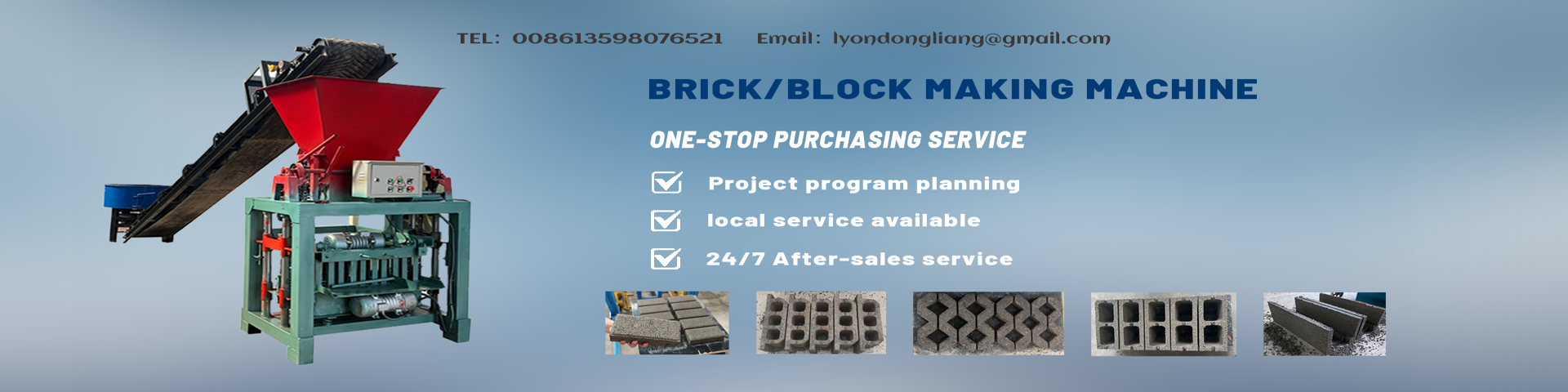

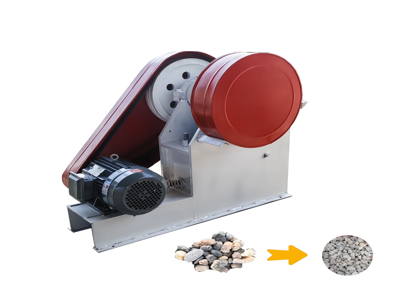
Кирпич — один из старейших и самых надежных строительных материалов, используемых человечеством на протяжении тысячелетий. Его история уходит корнями в глубокую древность, когда первые цивилизации начали экспериментировать с обожженной глиной для создания прочных структур. Сегодня кирпич не только сохранил свою классическую привлекательность, но и претерпел значительные инновации, превратившись в разнообразный и высокотехнологичный материал. В этой статье мы подробно рассмотрим, как кирпич эволюционировал от традиционных форм до современных решений, и почему он остается незаменимым в строительной индустрии.
История кирпича: от древности до наших дней
История кирпича начинается примерно в 7000 году до нашей эры, когда люди в Месопотамии и других регионах Ближнего Востока начали использовать сырцовый кирпич, изготавливаемый из глины и соломы, высушенный на солнце. Этот простой метод позволял создавать жилища и храмы, которые были более durable, чем конструкции из дерева или камня. С развитием технологий, особенно в Древнем Египте и Риме, кирпич стали обжигать в печах, что значительно повысило его прочность и устойчивость к погодным условиям. Римляне, например, широко использовали кирпич в своих знаменитых aqueducts и amphitheaters, демонстрируя его versatility и долговечность.
В средние века кирпич стал популярным в Европе, особенно в регионах с ограниченным доступом к камню, таких как Северная Германия и Нидерланды. Готическая architecture часто включала intricate кирпичные работы, которые до сих пор восхищают своей красотой. С industrial revolution в 18-19 веках производство кирпича стало механизированным, что позволило mass produce стандартизированные кирпичи и снизить costs. Это привело к буму в urban construction, с кирпичными зданиями, определяющими skyline многих городов.
В 20 веке кирпич продолжал evolve с внедрением новых materials и techniques. Например, появление hollow кирпичей улучшило insulation properties, а использование additives в глине позволило создавать кирпичи различных colors и textures. Сегодня, в 21 веке, кирпич является symbiosis традиции и innovation, с advanced manufacturing processes и sustainable practices, making it more relevant than ever.
Классические виды кирпича: основа строительства
Классический кирпич, often made from clay or shale, remains a cornerstone of construction due to its proven reliability and aesthetic appeal. The most common types include red brick, which gets its color from iron oxide in the clay, and sand-lime brick, made from sand and lime under high pressure. Red brick is prized for its warmth and traditional look, often used in residential buildings and historical restorations. Sand-lime brick, on the other hand, offers excellent strength and is commonly used in load-bearing walls and foundations.
Another classic variant is the engineering brick, designed for high strength and low water absorption, making it ideal for civil engineering projects like bridges and sewers. Then there's the facing brick, which is used for exterior walls due to its attractive finish and durability. These bricks are often textured or colored to enhance architectural beauty. Despite the advent of new materials, classic bricks continue to dominate many construction projects because of their cost-effectiveness, ease of use, and timeless appeal. They are relatively inexpensive to produce, readily available, and can be laid by skilled masons without complex equipment.
Moreover, classic bricks contribute to sustainable building practices. They are made from natural materials, are recyclable, and have high thermal mass, which helps regulate indoor temperatures and reduce energy consumption. In regions with extreme weather, brick buildings provide excellent insulation, keeping interiors cool in summer and warm in winter. This natural efficiency has been appreciated for centuries and is now backed by modern energy standards, making classic bricks a green choice for eco-conscious builders.
Инновационные кирпичи: технологии будущего
In recent decades, innovation has transformed the humble brick into a high-tech material with enhanced properties. One of the most exciting developments is the smart brick, embedded with sensors to monitor structural health, temperature, and humidity in buildings. These bricks can detect cracks or stresses early, preventing failures and reducing maintenance costs. Similarly, self-healing bricks contain bacteria or polymers that repair small cracks automatically, extending the lifespan of structures and minimizing repairs.
Another innovation is the insulated brick, which incorporates materials like aerogel or foam to provide superior thermal insulation without increasing thickness. This is particularly valuable in energy-efficient construction, as it helps meet strict building codes and reduces heating and cooling expenses. Additionally, photocatalytic bricks are coated with titanium dioxide, which breaks down air pollutants when exposed to sunlight, contributing to cleaner urban environments. These bricks are already being used in smog-prone cities to improve air quality.
3D printing technology has also revolutionized brick production, allowing for custom shapes and complex geometries that were previously impossible. Printed bricks can be made on-site from local materials, reducing transportation costs and carbon footprint. Furthermore, recycled bricks made from industrial waste, such as fly ash or plastic, offer an eco-friendly alternative that diverts waste from landfills. These innovations not only enhance performance but also align with global sustainability goals, making bricks a key player in the future of construction.
Применение кирпича в современном строительстве
Кирпич находит применение в самых разнообразных строительных проектах, от скромных жилых домов до grandiose коммерческих комплексов. В жилищном строительстве он ценится за свою эстетику и долговечность; кирпичные фасады придают дому classic charm и могут повысить property value. Внутри помещений кирпич часто используется для accent walls или каминов, добавляя warmth и character интерьеру.
В коммерческом и industrial строительстве кирпич используется для structural walls, partitions, и facades due to its fire resistance and sound insulation properties. For example, in schools and hospitals, brick walls help create quiet, safe environments. In infrastructure, engineering bricks are essential for bridges, tunnels, and retaining walls because of their high load-bearing capacity and resistance to moisture.
Innovative applications include using bricks in green building systems, such as green walls where bricks are integrated with vegetation to improve air quality and biodiversity. In smart cities, bricks with embedded technology are used to create interactive surfaces or energy-generating facades. The versatility of brick allows it to adapt to various architectural styles, from traditional to ultra-modern, making it a preferred choice for architects and builders worldwide.
Преимущества кирпича: почему он остается популярным
Кирпич offers numerous advantages that contribute to its enduring popularity. First and foremost is its durability; properly constructed brick buildings can last for centuries with minimal maintenance, as evidenced by historical structures still standing today. Brick is resistant to fire, pests, and rot, providing a safe and stable environment for occupants. Its thermal mass helps regulate indoor temperatures, reducing energy costs for heating and cooling, which is increasingly important in an era of climate change and energy efficiency concerns.
Another key advantage is aesthetics. Brick comes in a wide range of colors, textures, and sizes, allowing for creative design possibilities. It ages gracefully, developing a patina that enhances its beauty over time. Environmentally, brick is a sustainable choice; it is made from abundant natural materials, is recyclable, and has a low embodied energy compared to many modern materials. Production processes have become more efficient, with many manufacturers using renewable energy and recycling waste water.
Economically, brick is cost-effective due to its longevity and low maintenance requirements. While initial costs might be higher than some alternatives, the life-cycle cost is often lower. Additionally, brick construction supports local economies by providing jobs in manufacturing and masonry. Its versatility means it can be used in various climates and applications, from hot deserts to cold mountains, making it a globally relevant material.
Экологические аспекты кирпичного производства
The production of brick has evolved to address environmental concerns. Traditional brick-making was energy-intensive and produced significant emissions, but modern methods have reduced this impact. For instance, tunnel kilns use less energy and can be powered by renewable sources, while advanced filtration systems capture pollutants. Many manufacturers now use recycled materials in their bricks, such as fly ash from coal plants or crushed glass, reducing waste and conserving natural resources.
Brick itself is an environmentally friendly material because it is inert and non-toxic, contributing to healthy indoor air quality. Its durability means fewer resources are needed for repairs and replacements over time. In terms of carbon footprint, brick has a relatively low embodied energy when compared to materials like concrete or steel, especially if produced locally to minimize transportation emissions.
Innovations like carbon-negative bricks, which absorb more CO2 than they emit during production, are on the horizon. These are made using alternative binders or processes that sequester carbon. Additionally, brick buildings can be designed for disassembly and reuse, promoting a circular economy. As sustainability becomes a priority in construction, the brick industry is积极响应, making bricks a green choice for the future.
Будущее кирпича: тенденции и прогнозы
The future of brick looks promising, with trends pointing towards greater integration of technology and sustainability. Smart bricks will become more common, enabling buildings to interact with their environment and occupants. For example, bricks with integrated solar cells could generate electricity, while those with IoT connectivity could provide real-time data on building performance.
Advancements in material science will lead to bricks with enhanced properties, such as higher strength-to-weight ratios or improved insulation. 3D printing will allow for bespoke designs and on-demand production, reducing waste and costs. In terms of sustainability, the industry will continue to focus on reducing carbon emissions and using recycled materials, possibly leading to bricks that are net-zero or even carbon-positive.
Architecturally, brick will remain a favorite for its aesthetic versatility, blending seamlessly with both traditional and contemporary designs. As urban populations grow, brick's durability and fire resistance will make it essential for high-density housing. Overall, the brick industry is poised for innovation, ensuring that this ancient material remains at the forefront of construction for generations to come.
Заключение
В заключение, кирпич прошел remarkable journey от simple sun-dried blocks до sophisticated smart materials. Его разнообразие, от classic red bricks до innovative self-healing variants, демонстрирует adaptability и enduring appeal. Whether used in historical restorations or cutting-edge smart cities, brick continues to offer durability, aesthetics, and sustainability. As technology advances, we can expect even more exciting developments, solidifying brick's place as a foundational element of construction. Embracing both its heritage and future potential, brick remains a timeless choice for builders and architects worldwide.
