


В мире строительства постоянно происходят инновации, и одна из самых значимых революций последних десятилетий – это внедрение бетонных кирпичей. Эти материалы не просто заменили традиционные варианты, но и принесли с собой беспрецедентный уровень прочности, долговечности и эффективности. В этой статье мы глубоко погрузимся в тему, исследуя историю, преимущества, технологии производства и будущее бетонных кирпичей, а также их влияние на глобальное строительство.
Введение: Почему бетонные кирпичи меняют игру
Строительная отрасль всегда искала материалы, которые сочетают в себе прочность, экономичность и экологичность. Бетонные кирпичи emerged как идеальное решение, предлагая superior характеристики compared to traditional clay bricks or other alternatives. Их способность выдерживать extreme нагрузки, resist environmental factors, and provide long-term stability делает их незаменимыми в modern construction projects. From residential buildings to massive infrastructure, бетонные кирпичи prove their worth time and again.
But what exactly are concrete bricks? Они изготавливаются из смеси цемента, песка, воды, и often additives для enhanced properties. Unlike clay bricks, которые require high-temperature kiln firing, concrete bricks cure at ambient temperatures, reducing energy consumption and carbon footprint. This not only makes them more sustainable but also allows for greater customization in terms of size, shape, and texture.
The revolution they bring is not just about material science; it's about reshaping how we think about construction. With advancements in technology, бетонные кирпичи can be produced with precision, ensuring consistency and quality that was previously unattainable. This has led to faster construction times, lower costs, and improved safety standards worldwide.
Исторический контекст: От древности к современности
История кирпича насчитывает тысячелетия, начиная с древних цивилизаций, таких как Месопотамия и Египет, где использовались глиняные кирпичи, высушенные на солнце. Однако бетон как материал имеет свои корни в римские времена, с их pioneering use of pozzolanic cement. Современные бетонные кирпичи появились в 19 веке, с развитием портландцемента, но массовое adoption началось только в mid-20th century.
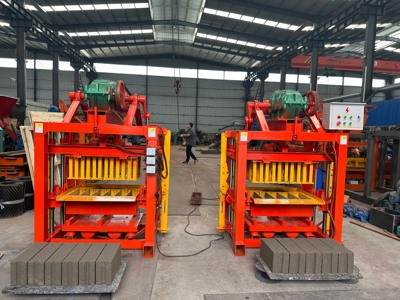
Key milestones include the invention of the first concrete block machine in the late 1800s, which automated production and made concrete bricks more accessible. Over time, improvements in mix designs and curing processes have enhanced their strength and durability. Today, они являются standard in many countries, particularly in regions prone to earthquakes or harsh weather, thanks to their resilience.
Comparing to traditional materials, бетонные кирпичи offer a historical shift: они less labor-intensive to produce, more versatile in application, and better suited for modern architectural demands. This evolution reflects broader trends in industrialization and sustainability, making them a cornerstone of contemporary construction.
Преимущества бетонных кирпичей: Прочность и не только
Одним из главных advantages бетонных кирпичей является их exceptional прочность. Они typically have compressive strengths ranging from 7 to 50 MPa, depending on the mix and curing, which far exceeds that of clay bricks (usually around 3-20 MPa). This makes them ideal for load-bearing walls in high-rise buildings or structures subject to heavy stress.
Durability is another standout feature. Бетонные кирпичи resist weathering, moisture, and chemical attacks better than many alternatives. They are less prone to cracking or spalling over time, especially when properly sealed or treated. This longevity translates to lower maintenance costs and longer service life for buildings, which is crucial for sustainable development.
Additionally, они offer excellent thermal and acoustic insulation properties. By incorporating insulating aggregates or designing hollow cores, concrete bricks can help regulate indoor temperatures and reduce noise pollution. This contributes to energy efficiency and comfort in residential and commercial spaces.
Economically, бетонные кирпичи are cost-effective due to mass production capabilities and local availability of raw materials. They often require less energy to produce than fired bricks, leading to lower carbon emissions. Furthermore, their modular nature allows for easy transportation and assembly, speeding up construction projects and reducing overall expenses.
Технология производства: Как создаются эти кирпичи
Производство бетонных кирпичей involves a precise process that starts with selecting quality materials. The basic mixture includes cement (usually Portland cement), fine aggregates like sand, coarse aggregates if needed, water, and sometimes admixtures for specific properties such as faster curing or improved workability.
The process typically begins with batching, where ingredients are measured and mixed thoroughly in a mixer to ensure homogeneity. This mixture is then placed into molds of desired shapes and sizes. vibration or compression is applied to remove air bubbles and achieve dense, strong bricks.
Curing is a critical step; unlike fired bricks, concrete bricks cure through hydration, where water reacts with cement to form strong bonds. This can be done in controlled environments with high humidity or using steam curing to accelerate the process. After curing, the bricks are demolded, inspected for quality, and stored for further hardening before use.
Modern advancements include automated production lines that can produce thousands of bricks per hour with minimal human intervention. Technologies like computer-controlled mixers and robotic handling ensure consistency and reduce waste. Additionally, innovations in recycled materials, such as using fly ash or slag from industries, make concrete bricks even more sustainable.
Применение в строительстве: От домов до мостов
Бетонные кирпичи find applications across a wide spectrum of construction projects. In residential building, они are commonly used for walls, foundations, and partitions due to their strength and insulation properties. Their uniformity allows for quick and easy laying, reducing construction time and labor costs.
In commercial and industrial settings, они are employed in warehouses, factories, and office buildings where durability and fire resistance are paramount. Concrete bricks can be reinforced with steel bars for added strength in seismic zones, making them a preferred choice in earthquake-prone areas.
Infrastructure projects also benefit greatly; for example, in bridge abutments, retaining walls, and pavements, бетонные кирпичи provide the necessary load-bearing capacity and resistance to environmental stressors. Their ability to be precast off-site and transported for assembly further enhances efficiency in large-scale projects.
Case studies from around the world highlight their versatility. In Europe, many historical renovations use concrete bricks to maintain aesthetic appeal while upgrading structural integrity. In developing countries, они are key to affordable housing initiatives, offering a balance of cost and performance that other materials can't match.
Экологические аспекты: Устойчивость и будущее
Sustainability is a growing concern in construction, and бетонные кирпичи score well in this regard. Their production often incorporates recycled materials, reducing waste and conserving natural resources. For instance, using industrial by-products like fly ash not only improves the brick's properties but also diverts waste from landfills.
Energy consumption during production is lower compared to fired bricks, as no high-temperature kilns are needed. This results in reduced greenhouse gas emissions, contributing to climate change mitigation. Additionally, the long lifespan of concrete bricks means fewer replacements and less material waste over time.
However, challenges remain, such as the carbon footprint of cement production itself. Innovations like carbon capture technologies and alternative binders (e.g., geopolymer cement) are being explored to make concrete bricks even greener. The industry is also moving towards circular economy principles, where bricks are designed for reuse or recycling at end-of-life.
Looking ahead, the integration of smart technologies, such as bricks with embedded sensors for monitoring structural health, could revolutionize maintenance and safety. As global populations urbanize, the demand for durable, sustainable building materials will only increase, positioning бетонные кирпичи at the forefront of this evolution.
Заключение: Революция, которая продолжается
В заключение, бетонные кирпичи represent a true revolution in construction, offering unmatched прочность, долговечность, and versatility. Their impact extends beyond mere material substitution; они enable faster, safer, and more economical building practices that are essential for modern society.
As technology advances, we can expect even more innovations, from self-healing concretes to biodegradable additives, further enhancing their benefits. The journey from ancient bricks to today's high-performance concrete versions is a testament to human ingenuity and the relentless pursuit of improvement.
For architects, engineers, and homeowners, embracing бетонные кирпичи means investing in a future where buildings are not only strong and long-lasting but also kinder to the planet. The revolution is here, and it's built to last.
This article has explored the multifaceted aspects of concrete bricks, highlighting why они are indeed a game-changer in the world of construction. Whether you're planning a new project or simply curious about building materials, understanding their advantages can help make informed decisions for a better-built environment.
